September 10, 2026
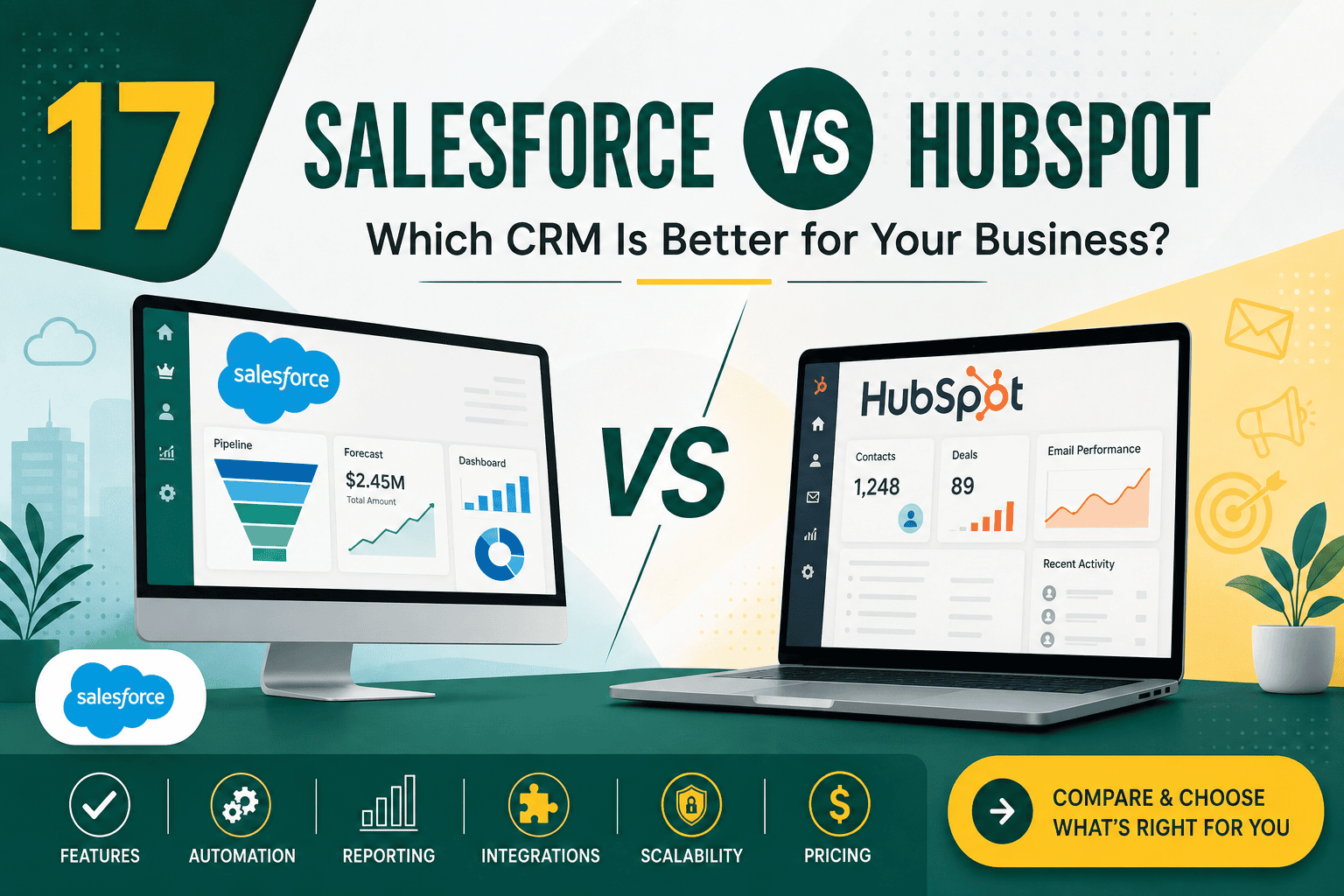
Salesforce vs HubSpot: Which CRM Is Best for Your Business?
Salesforce vs HubSpot: Which CRM Is Better for Your Bu...
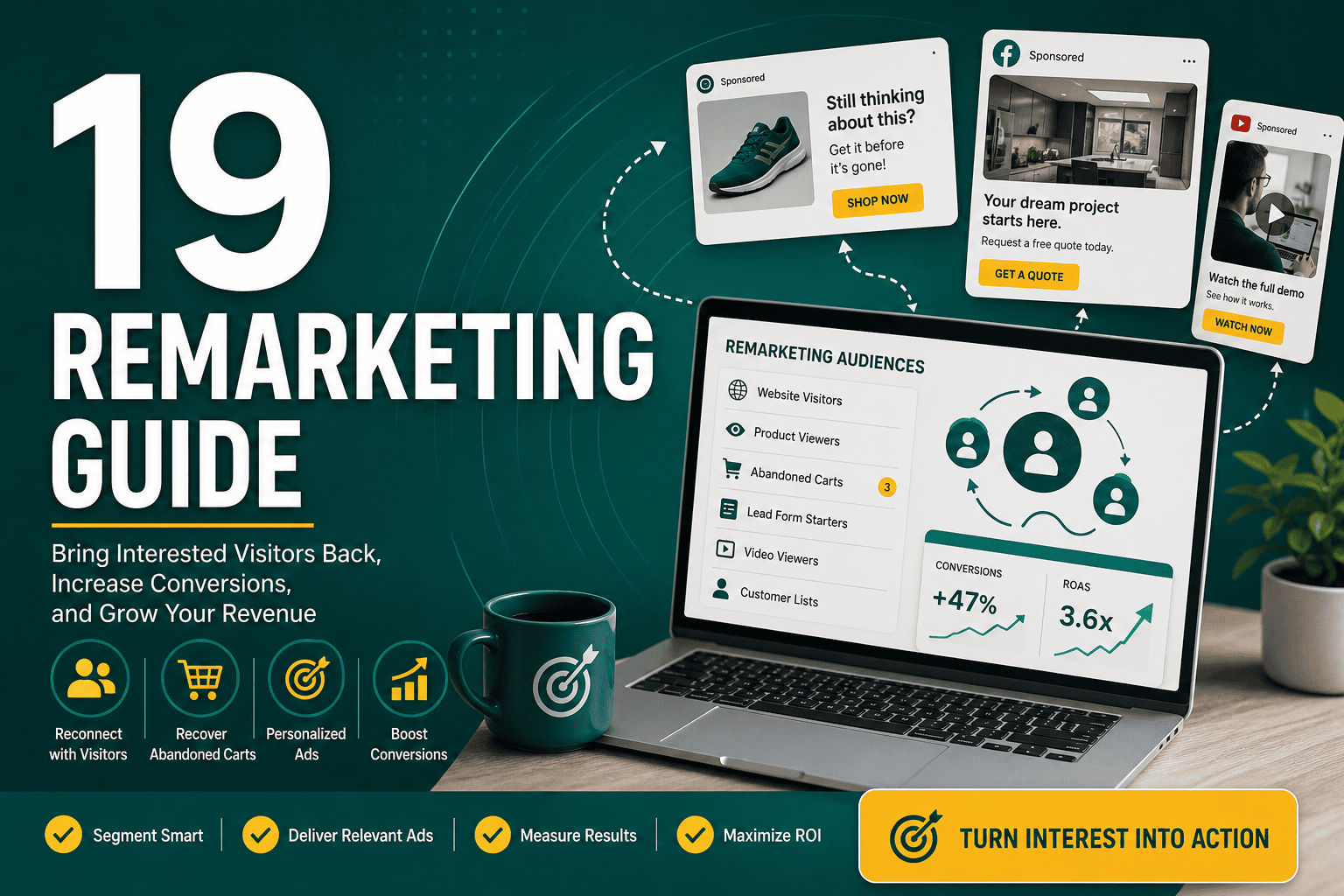
This remarketing guide explains what remarketing is, how it works, which platforms support it, and how to build campaigns that bring potential customers back after they have already interacted with your business. Remarketing is one of the most valuable digital advertising strategies because it focuses on people who have shown previous interest rather than reaching only cold audiences.
Someone may visit your website, view a product, read a service page, add an item to cart, watch a video, submit part of a form, or engage with your social media content without converting immediately. Remarketing allows you to reconnect with those people through targeted ads, personalized messaging, and carefully timed offers.
When used correctly, remarketing can improve conversion rates, reduce wasted ad spend, shorten the customer journey, and increase revenue from traffic you have already earned or paid for.
Remarketing is a digital advertising strategy that targets people who have previously interacted with your website, app, ads, social profiles, product catalog, videos, email list, or business data. Instead of showing ads only to new users, remarketing focuses on users who already know your brand in some way.
For example, a visitor might browse a pricing page but leave without contacting you. A remarketing campaign can later show that person an ad with a case study, limited-time offer, consultation invitation, product benefit, or reminder to return.
Remarketing is often used across platforms such as Google Ads, Meta Ads, YouTube, Display Network, LinkedIn Ads, TikTok Ads, email marketing tools, ecommerce platforms, and CRM systems.
The terms remarketing and retargeting are often used interchangeably, but there is a slight difference in how many marketers define them.
In practice, most advertisers use both terms to describe campaigns that bring previous visitors, leads, or customers back into the buying journey.
Most website visitors do not convert on their first visit. They may be comparing options, waiting for budget approval, researching competitors, getting distracted, or simply not ready to make a decision. Without remarketing, many of those visitors disappear and may never return.
Remarketing helps you stay visible during the decision-making process. It gives your business additional opportunities to educate, persuade, build trust, and convert users after the first touchpoint.
Remarketing works by collecting audience signals from user interactions and using those signals to create advertising audiences. These audiences can then be targeted with specific campaigns across advertising platforms.
The most common data sources include website tracking tags, pixels, conversion events, cookies, app events, CRM contact lists, email subscribers, customer databases, product catalogs, and platform engagement data.
For accurate remarketing, you need reliable event tracking. If you use Meta Ads, proper setup of Pixel and Conversions API is especially important. This Meta event tracking guide explains how Pixel and CAPI help measure website actions and build better advertising audiences.
This is the most common form of remarketing. It targets users who visited your website but did not complete a desired action. You can create broad audiences for all visitors or more specific audiences based on pages visited.
Examples include:
Abandoned cart remarketing targets users who added products to their cart but left before completing the purchase. This is especially valuable for ecommerce businesses because the user has already shown strong buying intent.
Ads can include product reminders, free shipping messages, urgency prompts, reviews, guarantees, or discount offers. However, discounts should be used carefully so customers do not learn to abandon carts just to receive a lower price.
Dynamic remarketing automatically shows users ads featuring the exact products or services they viewed. For ecommerce stores, this is often powered by a product catalog connected to the advertising platform.
If you sell through Facebook or Instagram, a clean catalog structure is essential for product-based remarketing. This Meta catalog setup guide explains how catalogs support dynamic product ads, Shops, and retargeting across Meta placements.
Lead form remarketing targets users who started but did not complete a form, opened an instant form but did not submit it, or submitted a form but did not become a qualified opportunity.
This is useful for service businesses, B2B companies, consultants, agencies, SaaS companies, real estate businesses, and local service providers.
Video engagement remarketing targets people who watched your videos on platforms such as YouTube, Facebook, Instagram, TikTok, or LinkedIn. Video watch behavior can indicate different levels of interest.
For example, someone who watched 75% of a product demo may be a stronger prospect than someone who watched only three seconds of a general awareness video.
Customer list remarketing uses first-party data such as email addresses, phone numbers, or customer IDs to match users on advertising platforms. This can be used to target past customers, leads, newsletter subscribers, inactive users, or high-value accounts.
Customer list remarketing is especially powerful because it relies on data your business already owns, not only browser-based tracking.
CRM-based remarketing connects your customer relationship management system with your advertising strategy. This allows you to create audiences based on lifecycle stage, deal status, purchase history, lead score, customer value, or service history.
For example, you might target open opportunities with case study ads, lost deals with comparison content, previous buyers with upsell campaigns, or inactive customers with reactivation offers.
Remarketing Lists for Search Ads, often called RLSA, allow advertisers to adjust search campaigns based on whether someone has previously visited the website. For example, you may bid more aggressively when a past visitor searches again for your service category.
This combines search intent with previous brand familiarity, which can make campaigns more efficient.
Google Ads remarketing can reach users across Google Search, Display Network, YouTube, Gmail, Discover, and Performance Max placements. It is especially useful for search remarketing, display remarketing, video remarketing, and ecommerce campaigns.
Accurate conversion data is important if you want Google Ads to optimize toward meaningful business outcomes. This Google Ads conversion tracking guide explains how to measure purchases, leads, phone calls, bookings, and other valuable actions.
Meta Ads remarketing allows advertisers to target people across Facebook, Instagram, Messenger, and the Meta Audience Network. You can build audiences based on website activity, app activity, customer lists, catalog interactions, Instagram engagement, Facebook page engagement, video views, lead forms, and shopping behavior.
For stronger Meta campaigns, advertisers need to understand how different audience types work. This Meta audience targeting guide explains how custom audiences, lookalike audiences, demographic signals, interests, and behaviors can fit into a paid social strategy.
LinkedIn remarketing is useful for B2B companies targeting professionals, job titles, industries, company sizes, or specific accounts. You can retarget website visitors, video viewers, lead form openers, company page visitors, event attendees, and uploaded contact lists.
YouTube remarketing allows businesses to reach users who watched videos, subscribed to a channel, visited a website, or interacted with previous campaigns. It works well for education, product demos, testimonials, case studies, and brand recall.
TikTok remarketing can target users based on website events, app activity, video engagement, lead forms, and customer files. It is particularly useful for brands with strong visual content, ecommerce products, and younger audiences.
The biggest mistake in remarketing is treating every past visitor the same. A person who read one blog post is not the same as a person who abandoned checkout. Audience segmentation helps you match your message to the user’s level of interest.
Remarketing is most effective when it supports the entire customer journey. Different users need different messages depending on where they are in the funnel. If your funnel is unclear, this article on the marketing funnel stages and strategy explains how awareness, consideration, conversion, and retention work together.
At the awareness stage, users may have visited your website once, watched a short video, or engaged with social content. They may not be ready for a hard sales message yet.
Good remarketing content for this stage includes:
At the consideration stage, users are comparing options and evaluating whether your product or service is a good fit. Remarketing should focus on credibility, differentiation, and proof.
Useful content includes:
At the conversion stage, users have shown strong intent. They may have viewed pricing, requested information, started checkout, or added products to cart. Ads should reduce friction and encourage action.
Effective conversion-stage messages include:
Remarketing is not only for new customers. Existing customers can be targeted for repeat purchases, renewals, upgrades, loyalty offers, educational content, support resources, and referral campaigns.
Retention remarketing can often produce strong returns because customers already trust your business.
An online store sells running shoes. A visitor views a pair of shoes but leaves without buying. The store shows that user a dynamic remarketing ad featuring the same shoes, customer reviews, and a free shipping message. If the user adds the product to cart but still does not purchase, the next ad highlights a return policy or limited-time offer.
A SaaS company gets traffic to its software comparison page. Visitors who spend more than one minute on that page are added to a remarketing audience. Over the next two weeks, they see ads promoting a case study, a demo video, and a free consultation call.
A home renovation company targets users who visited its kitchen remodeling page. The remarketing campaign shows before-and-after project photos, customer testimonials, and a message encouraging users to request a quote.
A consulting firm targets people who downloaded a guide but did not book a call. The campaign promotes a webinar, client success story, and strategy session offer.
Remarketing ads should feel relevant, helpful, and timely. Since the audience has already interacted with your business, the messaging can be more specific than cold prospecting ads.
Match your ad copy to the user’s previous action. Someone who viewed a product should see product-specific messaging. Someone who read a beginner guide may need more education before seeing a sales offer.
Remarketing audiences may need reassurance before converting. Use reviews, ratings, testimonials, case studies, certifications, media mentions, or performance results to build trust.
If users are not converting, something may be holding them back. Common objections include price, risk, complexity, timing, trust, shipping cost, implementation effort, or lack of urgency. Remarketing ads can directly address these concerns.
Remarketing ads should make the next step clear. Examples include:
If users see the same ad too many times, performance can decline. Rotate different creative angles, images, headlines, offers, and formats to reduce fatigue.
Remarketing works best when it keeps your business visible without overwhelming users. Too few impressions may not make an impact, while too many can create irritation or wasted spend.
Audience duration defines how long someone remains in your remarketing list after taking an action. The right duration depends on your buying cycle.
Frequency caps limit how often users see your ads. Not all platforms offer the same level of frequency control, but you should monitor ad frequency, click-through rate, conversion rate, and negative feedback where available.
Sequential remarketing shows different messages over time. For example:
Remarketing should be measured carefully because results can sometimes look better than they really are if attribution is not understood. A user may see a remarketing ad after already deciding to buy, so you need to evaluate performance with context.
Advertising platforms often claim credit differently. Google, Meta, LinkedIn, and TikTok may each report conversions based on their own attribution models. Compare platform data with analytics tools, CRM data, ecommerce reports, and actual revenue whenever possible.
Remarketing budgets are usually smaller than prospecting budgets because the audiences are more limited. However, these audiences can be highly valuable.
A practical starting point is to allocate a portion of your paid media budget to remarketing, then adjust based on audience size, conversion value, and performance. Some businesses may spend 10% to 30% of their ad budget on remarketing, while others with large audiences and strong returns may invest more.
Not all visitors have the same intent. A broad audience with generic messaging usually performs worse than segmented campaigns with relevant ads.
You should exclude users when appropriate. For example, exclude recent buyers from abandoned cart campaigns, exclude existing customers from new customer acquisition offers, or exclude converted leads from lead generation ads unless you have a follow-up objective.
If users see your ads too often, they may become annoyed or ignore them. Monitor frequency and refresh creatives to avoid ad fatigue.
Remarketing cannot fix a poor landing page. If the page is slow, confusing, untrustworthy, or not aligned with the ad, users may still leave without converting.
Discounts can work, but they are not always the best answer. You can also use education, social proof, guarantees, urgency, support, or stronger value messaging.
A remarketing campaign may generate cheap clicks but poor-quality leads. Track the full journey from ad interaction to purchase, booked appointment, qualified opportunity, or retained customer.
Remarketing depends on user data, so privacy matters. Businesses should follow applicable privacy laws, platform policies, consent requirements, and data protection standards. This may include cookie consent banners, privacy policy updates, opt-out options, and careful handling of customer lists.
Privacy rules vary by location and industry. If you operate in regions with privacy regulations such as GDPR, CCPA, or similar frameworks, make sure your legal and technical setup supports compliant data collection and advertising use.
Remarketing is one of the most practical ways to get more value from your existing traffic, leads, and customer data. Instead of relying only on first-time visits, remarketing gives your business multiple opportunities to reconnect with people who already showed interest.
The best remarketing campaigns are not random reminders. They are segmented, measured, personalized, and aligned with the customer journey. When your tracking is accurate, your audiences are well organized, your creative addresses real objections, and your offers match intent, remarketing can become one of the highest-performing parts of your digital marketing strategy.